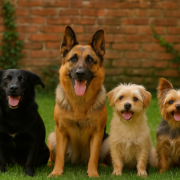
Vier verschiedene Rassen schauen treu in die Kamera. Die Hunde sitzen vor einer Ziegelwand.

🐶 1. Animal Welfare Organization Europa e.V.

Website: www.tierschutzverein-europa.de
Based in: Stuttgart, Baden-Württemberg

Main focus:

  • Adoption of dogs (and cats) from southern countries such as Spain, Romania, and Portugal
  • Cooperation with vetted partner animal shelters abroad
  • Adoptions only take place after a home check and adoption contract

Special features:

  • Very transparent presentation of the dogs on the website with health data, videos & behavior assessments
  • Close support for interested adopters before and after adoption
  • High standards for foster homes

🐾 2. ProDogRomania e.V.

Website: www.prodogromania.de
Based in: Cologne, North Rhine-Westphalia

Main focus:

  • Rescue, care, and adoption of stray dogs from Romania
  • Support for large public animal shelters (“shelters”) such as Baile Herculane, Bucov, or Ploiesti
  • Spay and neuter projects on site to sustainably improve the situation

Special features:

  • Large selection of dogs of all ages and personalities
  • Dog adoptions include comprehensive advice and follow-up support
  • Dedicated team of volunteers with strong dog expertise

🐕 3. Ein Herz für Streuner e.V.

Website: www.einherzfuerstreuner.de
Based in: Munich, Bavaria

Main focus:

  • Animal welfare work primarily in Romania and Croatia
  • Adoption of dogs from shelters and foster homes
  • Focus on improving living conditions on site (e.g. building shelters, food, medical care)

Special features:

  • Very active on social media, with many happy ending stories
  • Foster dogs in Germany can be met in person
  • High transparency in the adoption process (questionnaire, home check, adoption fee)

🐶 4. Tasso e.V. (Project: Tierschutzliga)

Website: www.tasso.net
Based in: Hattersheim am Main, Hesse

Main focus:

  • Best known as Europe’s largest pet registry
  • Supports numerous animal welfare projects, including the Tierschutzliga-Dorf, a shelter network focusing on dogs that are difficult to rehome
  • Adoption of dogs in Germany

Special features:

  • Combination of adoption work, education, return support, and political animal welfare advocacy
  • Free pet registry as life-saving protection for lost animals

🐾 5. Tierhilfe Hoffnung e.V.

Website: www.tierhilfe-hoffnung.com
Based in: Dettenhausen, Baden-Württemberg

Main focus:

  • Operates one of the largest animal welfare centers in Europe: the Smeura in Romania with more than 5,000 dogs
  • Adoption of dogs from Romania to Germany
  • Spay/neuter and education programs on site

Special features:

  • Intensive care and medical treatment in its own shelter
  • Especially many puppies and older dogs are looking for a home here

🐕 6. Vergessene Pfoten e.V.

Website: www.vergessene-pfoten.de
Based in: Krefeld, North Rhine-Westphalia

Main focus:

  • Help for forgotten, often overlooked dogs from Spain and Germany
  • Cooperation with long-standing partner shelters
  • Adoption with close contact to foster homes

Special features:

  • Particularly experienced in dealing with difficult animal histories
  • Loving texts and honest assessments of the dogs on the website

🐾 7. Hunderettung Europa e.V.

Website: www.hunderettung-europa.de
Based in: Munich, Bavaria

Main focus:

  • Adoption of dogs from Romania, Spain, and Germany
  • Support for partner shelters, including spay/neuter campaigns and medical aid
  • Especially also for fearful dogs and former chained dogs

Special features:

  • Close follow-up support for adopters
  • Help also in cases of returns – always with the dog’s welfare as the priority

🐶 8. Tierhilfe Verbindet e.V.

Website: www.tierhilfe-verbindet.de
Based in: Augsburg, Bavaria

Main focus:

  • Animal welfare work in Hungary, adoption of dogs in Germany
  • Support for shelters and emergency cases on site
  • Adoption also of dogs with disabilities

Special features:

  • Large selection of rescue dogs in every size and age group
  • Well-structured adoption processes with adoption contract and home checks

🐾 9. Retriever in Not e.V.

Website: www.retriever-in-not.de
Based in: Near Mainz, Rhineland-Palatinate

Main focus:

  • Adoption of retriever breeds (Golden, Labrador, Flat Coated, etc.) and mixes
  • Dogs come from abroad (especially Spain and Hungary) and from private surrenders in Germany
  • Experienced in handling hunting dog behavior and breed-specific traits

Special features:

  • Very accurate assessments of the dogs thanks to foster homes
  • A highly recommended point of contact especially for retriever lovers
  • Adoptions only with pre- and post-adoption checks as well as detailed advice

🐕 10. Fellnasen Stuttgart e.V.

Website: www.fellnasen-stuttgart.de
Based in: Stuttgart, Baden-Württemberg

Main focus:

  • Adoption of dogs from Romania, Bulgaria, and Germany
  • Focus on education, sustainable animal welfare work, and long-term placements
  • Care for emergency cases, dogs with disabilities, and senior dogs

Special features:

  • Personal contact between the adoption team and interested adopters
  • Friendly, transparent online presence with clear communication
  • Good network of foster homes in southern Germany

🐶 11. Tierhilfe Süden e.V.

Website: www.tierhilfe-sueden.de
Based in: Kissing, Bavaria

Main focus:

  • Adoption of dogs from Greece, Hungary, Spain, and Croatia
  • Support for shelters, spay/neuter campaigns, and educational work on site
  • Taking in emergency cases from German shelters when they are overcrowded

Special features:

  • Very well connected with partner organizations abroad
  • Careful adoption process including home check and follow-up support
  • Also places large dogs and dogs that are difficult to rehome

💡 Overview: A Total of 11 Recommended Organizations

Organization Based in Dogs’ Countries of Origin Special Features
Tierschutzverein Europa e.V. Stuttgart Spain, Romania, Portugal Experienced, transparent
ProDogRomania e.V. Cologne Romania Large shelters, many dogs
Ein Herz für Streuner e.V. Munich Romania, Croatia Foster homes + social media
Tasso/Tierschutzliga Hattersheim Germany Large network, companion animal protection
Tierhilfe Hoffnung e.V. Dettenhausen Romania (Smeura) Largest animal shelter in Europe
Vergessene Pfoten e.V. Krefeld Spain, Germany Loving & honest
Hunderettung Europa e.V. Munich Romania, Spain Focus on fearful & chained dogs
Tierhilfe Verbindet e.V. Augsburg Hungary Also dogs with disabilities
Retriever in Not e.V. Mainz Abroad & Germany Retriever specialists
Fellnasen Stuttgart e.V. Stuttgart Romania, Bulgaria Committed & regionally strong
Tierhilfe Süden e.V. Kissing Greece, Croatia, etc. Supraregional & experienced
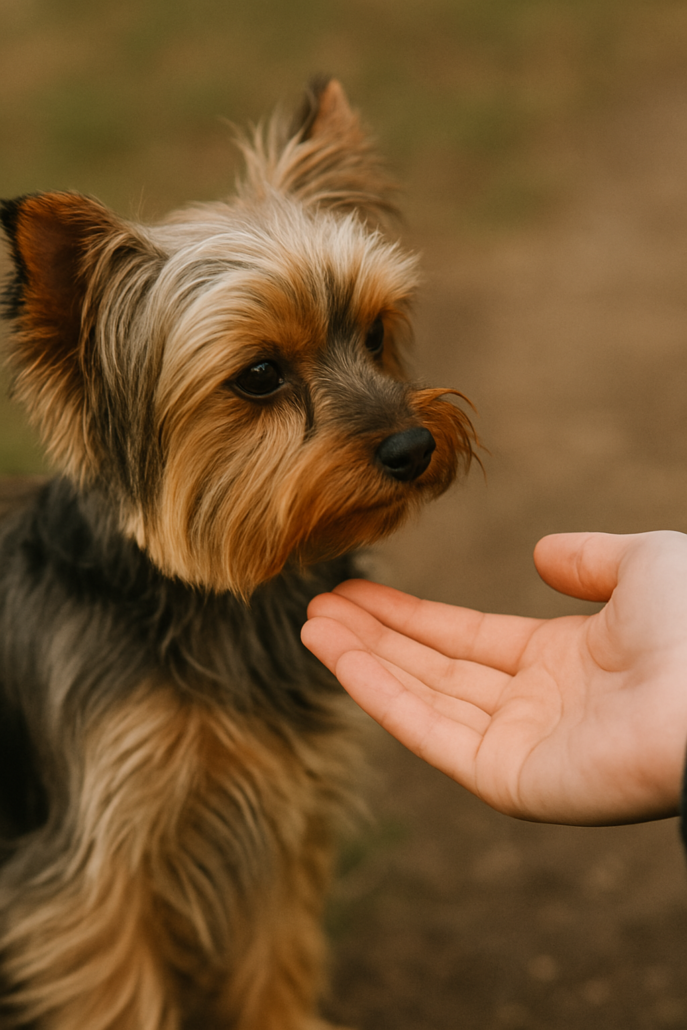
Yorkshire hat Vertrauen gewonnen und rennt fröhlich durch den Park

Winning a Dog’s Trust – 7 Steps to Building a True Bond

Bringing a dog into your life means more than providing food, walks, and toys – it means building a genuine relationship. Especially for dogs from shelters or difficult backgrounds, trust does not happen automatically. It is a journey that humans and animals take together. How this can succeed is shown in these seven proven steps:


1. Patience Is the Beginning of Everything

A dog who has just arrived in a new home needs one thing above all: time. Time to settle in, to observe, and to relax. Do not push for closeness – give your dog space to take the first step. Trust does not grow through pressure – it grows through patience.

A dog’s trust can only be built through relationship and connection. Training comes afterwards.

🐾 Tip: Allow closeness without forcing it. Read your dog’s body language – stepping back means: “Not yet.”


2. Routines Provide Security

Dogs love structure. A consistent daily routine with regular feeding times, walks, and rest periods helps your dog feel safe in the new environment. Routines send a clear message: “You can rely on this.”

🐾 Tip: Greet your dog calmly in the same way every morning. Even bedtime routines matter.


3. Speak Dog – Understand and Use Body Language

Dogs read us more through facial expressions, posture, and tone of voice than through words. If you want trust, you must pay attention to your own body language – avoid staring directly, move calmly, and do not lean over the dog.

🐾 Tip: Crouch down, turn slightly sideways, and blink slowly – these are calming signals that dogs understand.


4. Bonding Through Shared Experiences

Positive experiences create connection. Walks, calm playtime, and exploring together strengthen the feeling: “You are my person.” The key is simple: better short and calm than loud and hectic.

🐾 Tip: Sniffing walks are like reading the newspaper for dogs – and it is more fun together!


5. Respect Your Dog’s Boundaries

A dog who is building trust must feel: “I am being taken seriously.” Force, punishment, or ignoring signals does not create respect – it leads to withdrawal.

🐾 Tip: If your dog withdraws, do not take it personally. You strengthen your bond when you allow it.


6. Gentle Training Instead of Control

A dog who does not yet know the rules does not need to “function.” Gentle, reward-based training shows the dog: “You can communicate with me.” It is less about commands and more about trust in a shared language.

🐾 Tip: Use food as reinforcement, not as bribery. The difference lies in the timing of the reward.


7. Your Inner Calm Builds Trust

Dogs mirror our emotions. A hectic, tense person feels like an insecure pack member to a dog. The calmer, clearer, and more authentic you are, the safer your dog will feel.

🐾 Tip: Breathing techniques, mindfulness, or simply a deep sigh – your dog notices when you are centered.


Conclusion: Relationship Instead of Commands

Trust is not a trick that can be trained. It is the result of a genuine relationship – one built on respect, observation, and quiet connection. Whether your dog is young or old, traumatized or carefree: if you are willing to listen, you will learn your dog’s language. And your dog will learn yours.


Would you like to learn more about dog behavior, bonding, or rescue dogs?
Subscribe to our blog, share your experiences in the comments, or contact our team of experts.

The protection of dogs in Germany has a long and eventful history – from the first animal welfare initiatives in the 19th century to modern rescue networks and legal regulations. In this article, we take a look at the historical development of dog protection, highlight the most important legislative changes, and introduce some of the most significant animal welfare organizations dedicated specifically to the well-being of dogs.


1. The Beginnings of Animal Welfare in the 19th Century

dog protection in the history of Germany

The first organized animal welfare movements in Germany emerged during a time of social transformation. In the course of the Enlightenment and later industrialization, the relationship between humans and animals began to be increasingly questioned.

1837: The first German animal welfare association was founded in Stuttgart – initially with a strong moral and Christian character. Its goal was to prevent “cruelty against animals,” particularly toward livestock, but also toward dogs and cats.

1879: The German Animal Welfare Federation (Deutscher Tierschutzbund) was founded in Stuttgart. To this day, it remains one of the largest umbrella organizations for animal welfare in Europe and advocates, among other things, for humane living conditions for dogs.


2. Dog Protection in the German Empire and the Weimar Republic

During the German Empire, dogs were primarily regarded as guard, hunting, and working animals. Animal welfare played only a minor political role.

1909: Introduction of the first municipal dog tax regulations. Dogs were considered a “luxury item,” which placed a significant financial burden on poorer segments of the population.

1920s: Initial discussions about a nationwide animal welfare law – at that time, however, without concrete legislative success.


3. Animal Welfare During National Socialism – Ambivalent Developments

1933: With the rise of the National Socialists to power, the first German Reich Animal Protection Act was enacted. This law was considered very progressive for its time, prohibiting, among other things, slaughter without anesthesia and the abuse of animals – however, it was also ideologically motivated. Dogs were sometimes regarded in the Nazi regime as “purebred animals,” which reveals how racist ideology influenced even animal welfare policies.

Important: Animal welfare during National Socialism should be viewed critically today – not as a moral achievement, but as part of an ideologically driven system.


4. Modern Animal Welfare in the Federal Republic of Germany

1972: The first Federal German Animal Welfare Act was adopted. It formed the basis for many later reforms and, for the first time, established the principle that “no one may cause pain, suffering, or harm to an animal without reasonable cause.”

1986: A comprehensive amendment introduced stricter regulations for animal keeping and transport. Dog breeders and pet owners were held more accountable.

2002: Animal welfare was enshrined as a state objective in the German Constitution – a historic turning point. Article 20a of the Basic Law has since stated:
“The state shall also protect the natural foundations of life and animals in responsibility for future generations […]”


5. Dog Protection Today – Laws, Organizations, and Initiatives

Current Legal Framework:

  • Animal Welfare Act (TierSchG): Regulates minimum requirements for dog keeping, transport, breeding, and euthanasia.
  • State Dog Regulations: Depending on the federal state, these govern issues such as leash requirements, breed-specific legislation, and muzzle requirements.
  • Animal Welfare Dog Ordinance (TierSchHuV): Since 2001, it has specified housing requirements, for example regarding kennel keeping, exercise opportunities, or tethering bans.

Important Organizations and Initiatives:

  • German Animal Welfare Federation (Deutscher Tierschutzbund e.V.) (founded 1879): Umbrella organization with more than 700 local animal shelters.
  • TASSO e.V. (founded 1982): Pet registration organization focused on reuniting lost dogs with their owners.
  • Four Paws (founded 1988 in Vienna, active in Germany): International NGO with numerous dog welfare programs.
  • Ein Herz für Streuner e.V., ProDogRomania e.V., Hunderettung Europa e.V.: Organizations dedicated to helping dogs in need, often with a focus on international rescue work.
  • Animal Shelters and Foster Homes: Many small local organizations also make a major contribution, especially for so-called “second chance” dogs.

6. Challenges and Outlook

Despite all progress, there is still much work to be done:

  • Illegal puppy trade is booming – stricter controls and public awareness are urgently needed.
  • Unethical breeding of dog breeds with extreme features (for example Pugs or French Bulldogs) is increasingly under criticism.
  • Overcrowded shelters: The number of surrendered dogs is rising due to financial strain, lack of preparation, and increasing living costs.
  • Animal welfare abroad: Many German organizations conduct neutering campaigns and education programs locally, but sustainable solutions require political support.

Dog Protection in Germany Has Come a Long Way…

…from moral outrage over animal cruelty in the 19th century to today’s complex legislation and strong network of organizations. Yet despite all progress, protecting dogs remains a responsibility shared by society as a whole. Every individual can contribute through responsible decisions, education, and support for animal shelters – because love for animals does not begin with sharing cute photos, but with genuine commitment.


Sources (recommended for further reading):

  • German Animal Welfare Federation: www.tierschutzbund.de
  • Animal Welfare Act (TierSchG): www.gesetze-im-internet.de
  • German Federal Chamber of Veterinarians: Information on dog ownership
  • Book: “Animal Welfare in Germany – History, Practice and Perspectives” (2020, publication series of the German Animal Welfare Federation)
facebookgruppe hunde finden neue heimat


Some dogs touch us in a very special way – not loudly, not insistently, but quietly, through their story, their eyes, and their gentle trust. It is for exactly these soul dogs that we created the Facebook group “Heart Dogs Looking for a Home”.

Tornjak

In this group, we introduce dogs who have lost their homes for various reasons – or who have never had one at all. Dogs from rescue organizations, overcrowded shelters, or difficult life situations. Many of them have already experienced a lot: neglect, loneliness, sometimes even pain. But they have not lost their hope.

Here, they are given a voice. We tell their stories – honestly, compassionately, without sugarcoating, but always with a focus on what is possible: a loving home with people who see them for who they truly are – as unique personalities.

“Heart Dogs Looking for a Home” is more than just an adoption platform. It is a place of connection. For people who are open to special souls, for adopters with heart, for foster families, volunteers, and helpers who want to pave the way for these dogs – and for anyone who feels that this is about more than just an animal. It is about trust. About second chances. About joy in life.

We invite you to become part of this community. Perhaps your heart dog is already waiting – quietly, patiently, but full of hope.

📍 Would you like to help find a home?
📍 Are you looking for a dog that touches your heart?
📍 Or do you simply want to give hope?

Then you are exactly right at “Heart Dogs Looking for a Home”:

https://www.facebook.com/groups/555015224292053

💔 I Am Out of Food Again – and I Don’t Know What to Do Next

Dear animal lovers,

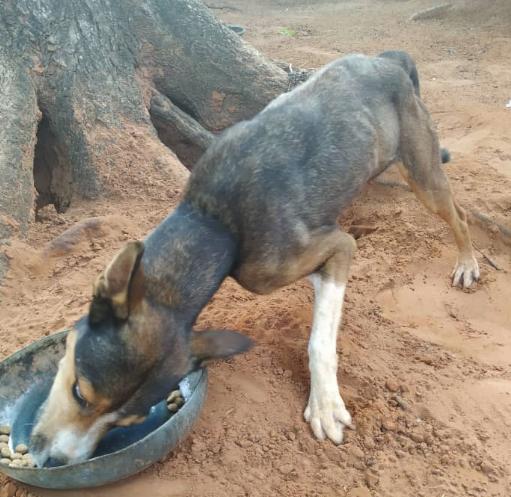
I am writing this post with a heavy heart. Once again, I am facing the problem of having no food left for my animals – and honestly, I don’t know how things will continue.​

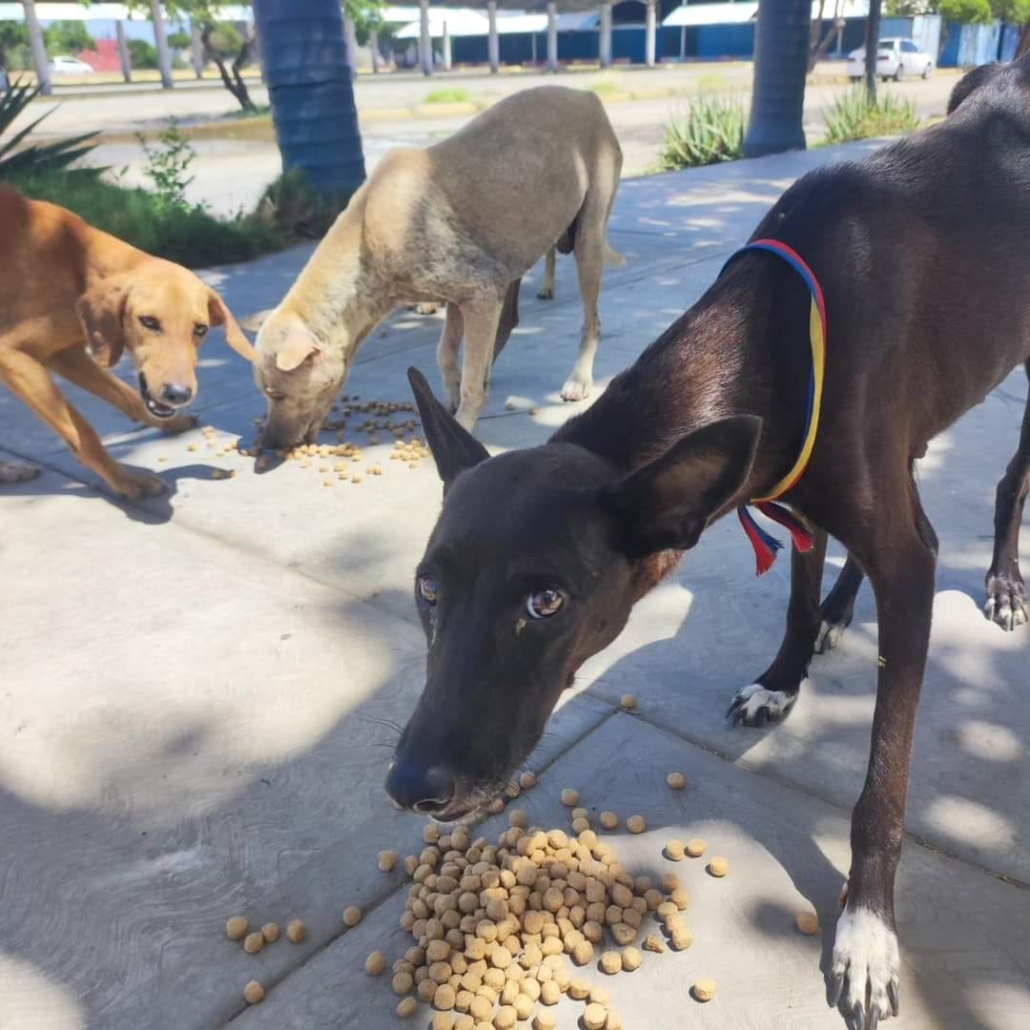
Thankfully, there have been no serious emergencies recently, but that has now led to a new problem: without urgent cases, fewer donations reach me. And without donations – there is no food. Yet day after day, we go out and care for more than 100 to 150 dogs – not even counting the cats.​

There are so many more animals we could care for. I know where they are, where they wait hungry and sick for help. But I simply cannot do any more.​

The responsibility on my shoulders is enormous. These animals only have me. They know no one else they can rely on. I do not just feed them – I also treat illnesses, take care of parasite treatments, and organize spay and neuter procedures for abandoned female dogs. And I do this every single day. Without a break. Without weekends. Without holidays.​

For years, there has not been a single day when I have not taken care of them.​

But now… I don’t know how much longer I can keep going.

🐾 About islastreetanimals e.V.

I have lived for more than 20 years on Isla Margarita in Venezuela, and I have made it my mission to help stray animals. Together with my friend Alexandra from North Rhine-Westphalia, I founded the organization islastreetanimals e.V. to give these animals a better life.​ulistein-stiftung.de+2betterplace.org+2news.islastreetanimals.com+2

Our work includes:​

Unfortunately, we receive no support from local authorities. On the contrary, there are repeated killing campaigns through the use of poisoned bait.​betterplace.org

🙏 How You Can Help

What I urgently need:​betterplace.org

  • Food donations or financial support to buy food​
  • People who can help with public awareness and outreach
  • Someone who can set up and manage a GoFundMe campaign
  • Help with spreading this message

I know it may feel like you are reading the same plea for help again and again. And believe me, I wish I did not have to write it over and over. But I don’t know what else to do.

I hardly sleep anymore. My mind revolves around the animals’ well-being day and night. And around the fear: what if I can no longer help?​

If you want to help – whether with time, a contribution, an idea, or a small donation – please reach out. Every bit of support matters. Every contribution helps us fill the bowls.​

💛 Donation Account:

islastreetanimals e.V.
VR-Bank Bonn eG
Account number: 4304005012
Bank code: 38160220
IBAN: DE26 3816 0220 4304 0050 12
BIC: GENODED1HBO

PayPal (please select “Friends” so that no fees are deducted):
👉 paypal.me/TSVClaudiasTierhilfe

More information:
🌐 www.islastreetanimals.com

With sad regards
Your Claudia


🏝️ Isla Margarita – The Forgotten Paradise of Stray Dogs

When people hear the name Isla Margarita, they often think of the Caribbean, sunshine, and vacation. A beautiful island off the coast of Venezuela, blessed with stunning beaches, a tropical climate, and a rich history. But behind the façade of this apparent paradise lies a silent tragedy: Isla Margarita is also an island full of forgotten animals – especially stray dogs.

🐾 Why Are There So Many Dogs?

On Isla Margarita, there are thousands of stray dogs. And their number continues to grow. The reasons are many – and sadly, they are heartbreaking:

1. No Government Support

There is no functioning municipal animal welfare system. No effective animal protection laws and no veterinary care for strays. Instead of help, there is often indifference – or in the worst cases: killing through poisoned bait.

2. Economic Crisis in Venezuela

The country’s economic situation has been dramatic for years. Many families can barely feed themselves – pets are often simply abandoned when money for food or veterinary care runs out.

3. Lack of Widespread Spay and Neuter Programs

Without regular sterilization programs, the population grows rapidly. A single pair of dogs can – over several generations – produce hundreds of offspring. On Isla Margarita, this happens every day, largely unnoticed.

4. Tourism Without Responsibility

Many animals were once acquired to please tourists – as “cute puppies” in hotel courtyards or as photo attractions on the beach. When the season ends, many of these dogs are left behind – and end up on the streets.


💔 What Does This Mean for the Animals?

Most of these dogs fight for survival every single day.
They suffer from:

  • Hunger and thirst
  • Parasites and diseases
  • Injuries from accidents or abuse
  • Fear and loneliness

Many die young and unnoticed – even though they would be friendly, gentle, and full of trust if only they were given a chance.


❤️ And Why Am I Here?

I have lived here on the island for more than 20 years – and I could no longer look away.
What started as helping a single puppy became a life mission. Today, with my small team, I care for more than 100–150 dogs every day, help with sterilizations, treat the sick, rescue the injured, set up feeding stations – and often I am their only hope.

But I cannot do this alone.

I founded the organization islastreetanimals e.V. to collect donations, raise awareness, and make these animals visible. So that Isla Margarita is not only known for its beaches – but also for compassion and change.


🙏 What You Can Do

You can also become part of this rescue story:

  • Share our posts to reach more people
  • Support us with a donation – every euro counts
  • Help with outreach, translating, writing emails, or setting up donation platforms