
Winning a Dog’s Trust – 7 Steps to Building a True Bond
Bringing a dog into your life means more than providing food, walks, and toys – it means building a genuine relationship. Especially for dogs from shelters or difficult backgrounds, trust does not happen automatically. It is a journey that humans and animals take together. How this can succeed is shown in these seven proven steps:
1. Patience Is the Beginning of Everything
A dog who has just arrived in a new home needs one thing above all: time. Time to settle in, to observe, and to relax. Do not push for closeness – give your dog space to take the first step. Trust does not grow through pressure – it grows through patience.
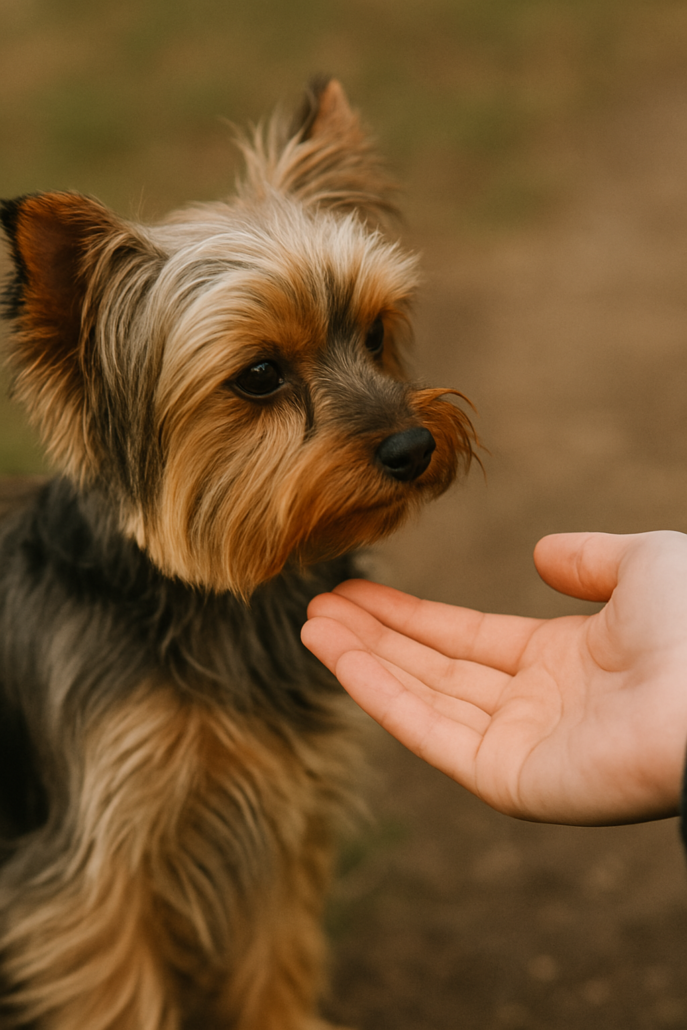
🐾 Tip: Allow closeness without forcing it. Read your dog’s body language – stepping back means: “Not yet.”
2. Routines Provide Security
Dogs love structure. A consistent daily routine with regular feeding times, walks, and rest periods helps your dog feel safe in the new environment. Routines send a clear message: “You can rely on this.”
🐾 Tip: Greet your dog calmly in the same way every morning. Even bedtime routines matter.
3. Speak Dog – Understand and Use Body Language
Dogs read us more through facial expressions, posture, and tone of voice than through words. If you want trust, you must pay attention to your own body language – avoid staring directly, move calmly, and do not lean over the dog.
🐾 Tip: Crouch down, turn slightly sideways, and blink slowly – these are calming signals that dogs understand.
4. Bonding Through Shared Experiences
Positive experiences create connection. Walks, calm playtime, and exploring together strengthen the feeling: “You are my person.” The key is simple: better short and calm than loud and hectic.
🐾 Tip: Sniffing walks are like reading the newspaper for dogs – and it is more fun together!
5. Respect Your Dog’s Boundaries
A dog who is building trust must feel: “I am being taken seriously.” Force, punishment, or ignoring signals does not create respect – it leads to withdrawal.
🐾 Tip: If your dog withdraws, do not take it personally. You strengthen your bond when you allow it.
6. Gentle Training Instead of Control
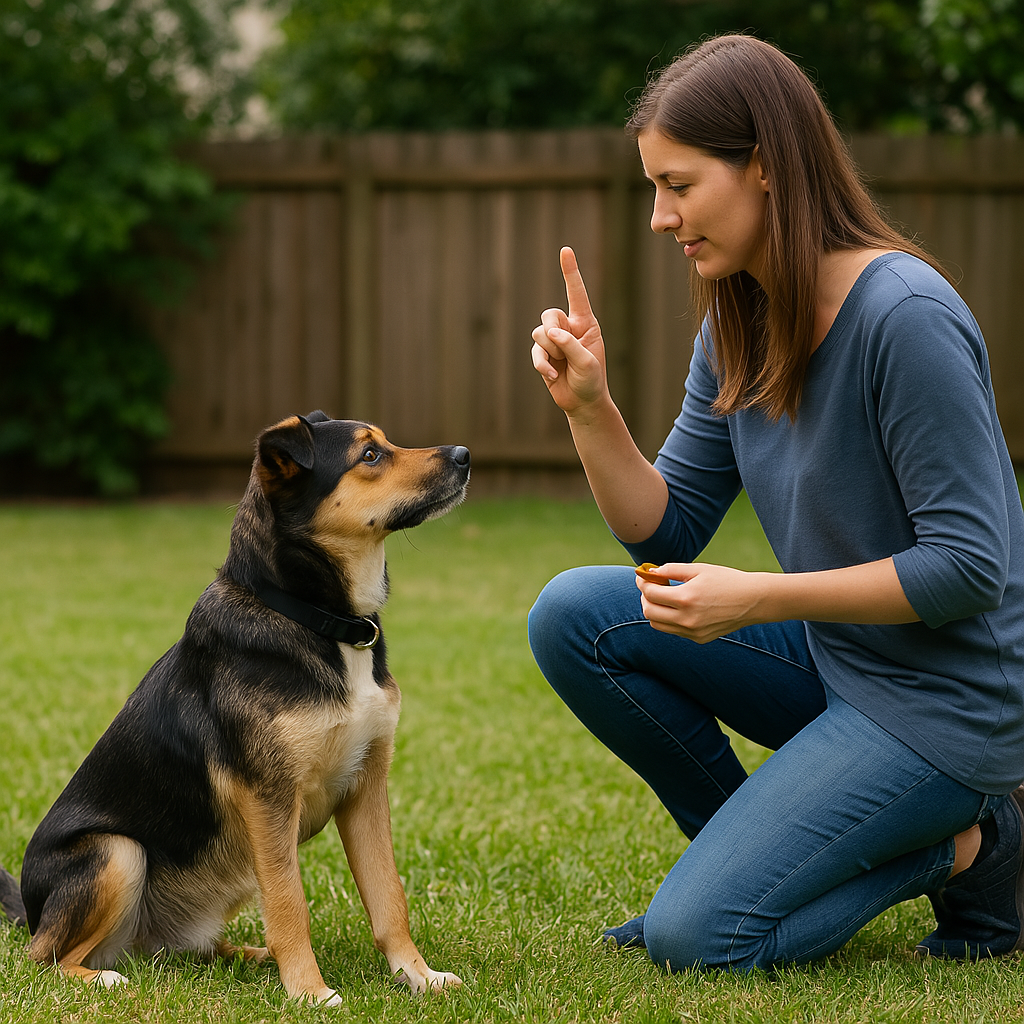
A dog who does not yet know the rules does not need to “function.” Gentle, reward-based training shows the dog: “You can communicate with me.” It is less about commands and more about trust in a shared language.
🐾 Tip: Use food as reinforcement, not as bribery. The difference lies in the timing of the reward.
7. Your Inner Calm Builds Trust
Dogs mirror our emotions. A hectic, tense person feels like an insecure pack member to a dog. The calmer, clearer, and more authentic you are, the safer your dog will feel.
🐾 Tip: Breathing techniques, mindfulness, or simply a deep sigh – your dog notices when you are centered.
Conclusion: Relationship Instead of Commands
Trust is not a trick that can be trained. It is the result of a genuine relationship – one built on respect, observation, and quiet connection. Whether your dog is young or old, traumatized or carefree: if you are willing to listen, you will learn your dog’s language. And your dog will learn yours.
Would you like to learn more about dog behavior, bonding, or rescue dogs?
Subscribe to our blog, share your experiences in the comments, or contact our team of experts.