
Gentle New Start: Training for Shelter Dogs
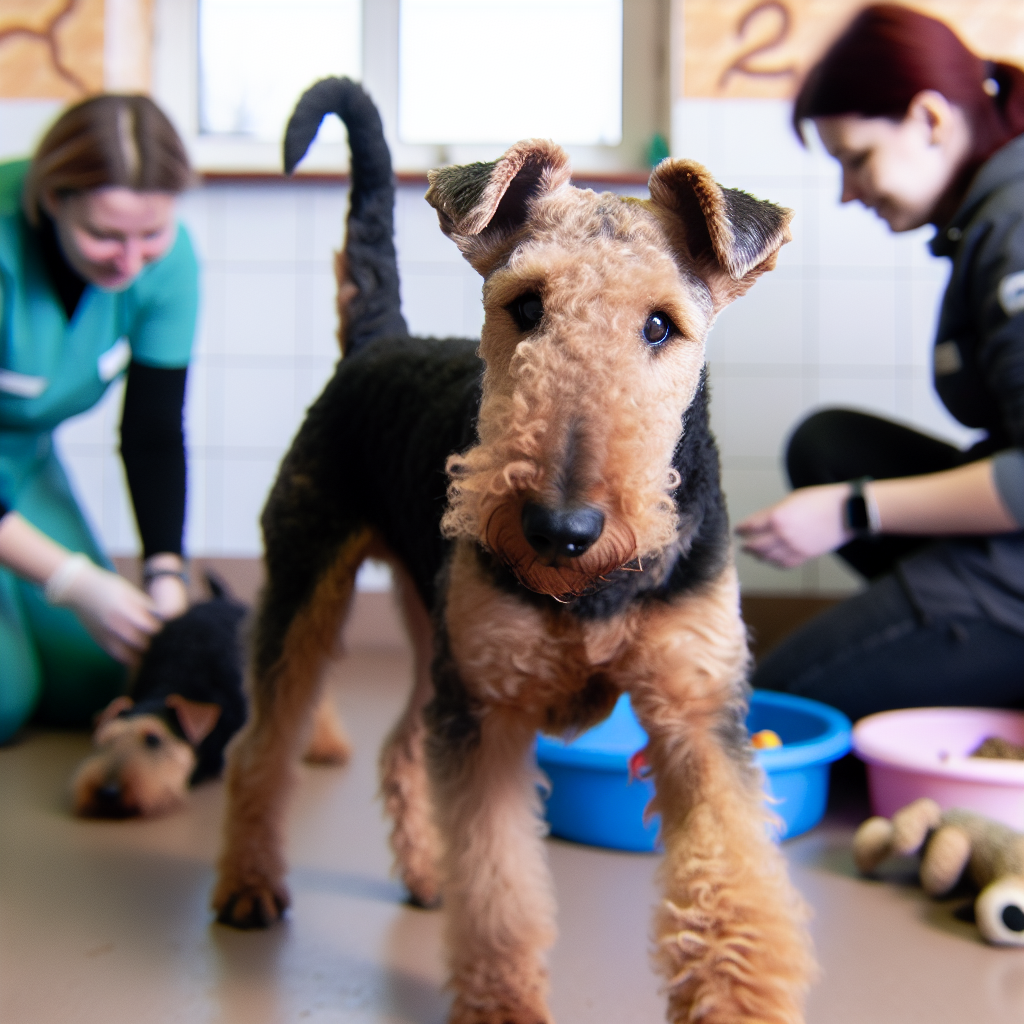
A dog from a shelter is moving in – a special moment full of hope, joy, and often a bit of uncertainty. Many of these animals bring not only their food bowl and blanket, but also an emotional burden from their past. Perhaps they have never learned to trust, were misunderstood, or simply never trained. That makes it all the more important to guide the newcomer gently and lovingly into their new life – and to rely on training that combines patience, clarity, and empathy.
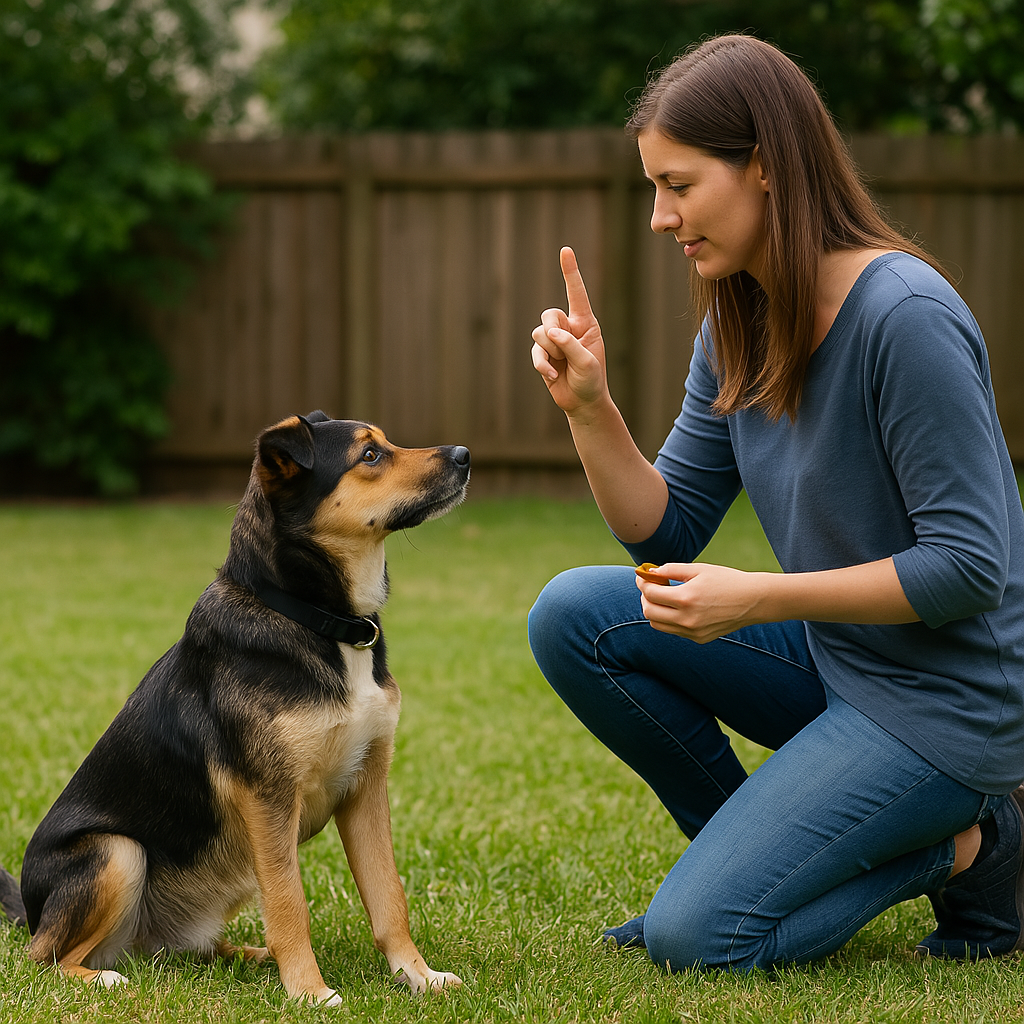
1. Allow Time to Settle In – Do Not Overwhelm
Before starting actual training, your dog needs one thing above all: time to settle in. New sounds, smells, people, and perhaps other animals can be overwhelming. Even simple things like climbing stairs, riding in a car, or wearing a collar can feel unfamiliar or frightening.
📌 Tip:
Give your dog at least one to two weeks to adjust before planning major training steps. Observe them, learn their body language, and create safe daily routines.
2. Build Trust – The Foundation for Everything
A dog coming from a shelter may have had negative experiences with people or may simply feel insecure. Trust does not develop overnight but grows through reliable, loving, and clear communication.
🎯 Here is how to strengthen the bond:
- Stick to routines (for example, fixed feeding times and calm walks).
- Avoid loud voices or hectic movements.
- Praise desired behavior immediately – gently and positively.
- Never punish with violence or intimidation.
3. Small Steps Lead to Learning Success
Many shelter dogs do not know basic commands – or have learned that paying attention to humans is not necessary. Start with the basics:
- Name recognition (attention training)
- Sit
- Down
- Recall (Come / Here)
💡 Important:
Use positive reinforcement – for example with treats, toys, or loving praise. Negative stimuli should be avoided. Learning works best through motivation and success.
📌 Keep training sessions short (5–10 minutes), as concentration also needs to be trained.
4. Dealing with Fears and Insecurities
Shelter dogs may show fear – of people, objects, noises, or touch. Taking these fears seriously is essential. Do not force anything.
👂 What helps:
- Desensitization: Slowly and repeatedly introduce the dog to the fear trigger (for example loud noises).
- Counter-conditioning: Associate the trigger with something positive (for example treats or play).
- Create safe spaces: Provide a secure place where the dog can retreat.
5. Social Contacts: Build Them Slowly
Some shelter dogs have had little social contact with other dogs – or have had negative experiences. Ensure careful, controlled meetings with other dogs and choose calm, balanced dogs for the first encounters.
6. Seek Support – No Shame in Asking for Help
It is completely normal to experience setbacks or difficulties. If you feel stuck, seek professional help – ideally from a dog training school experienced with shelter dogs or a trainer who uses force-free methods.
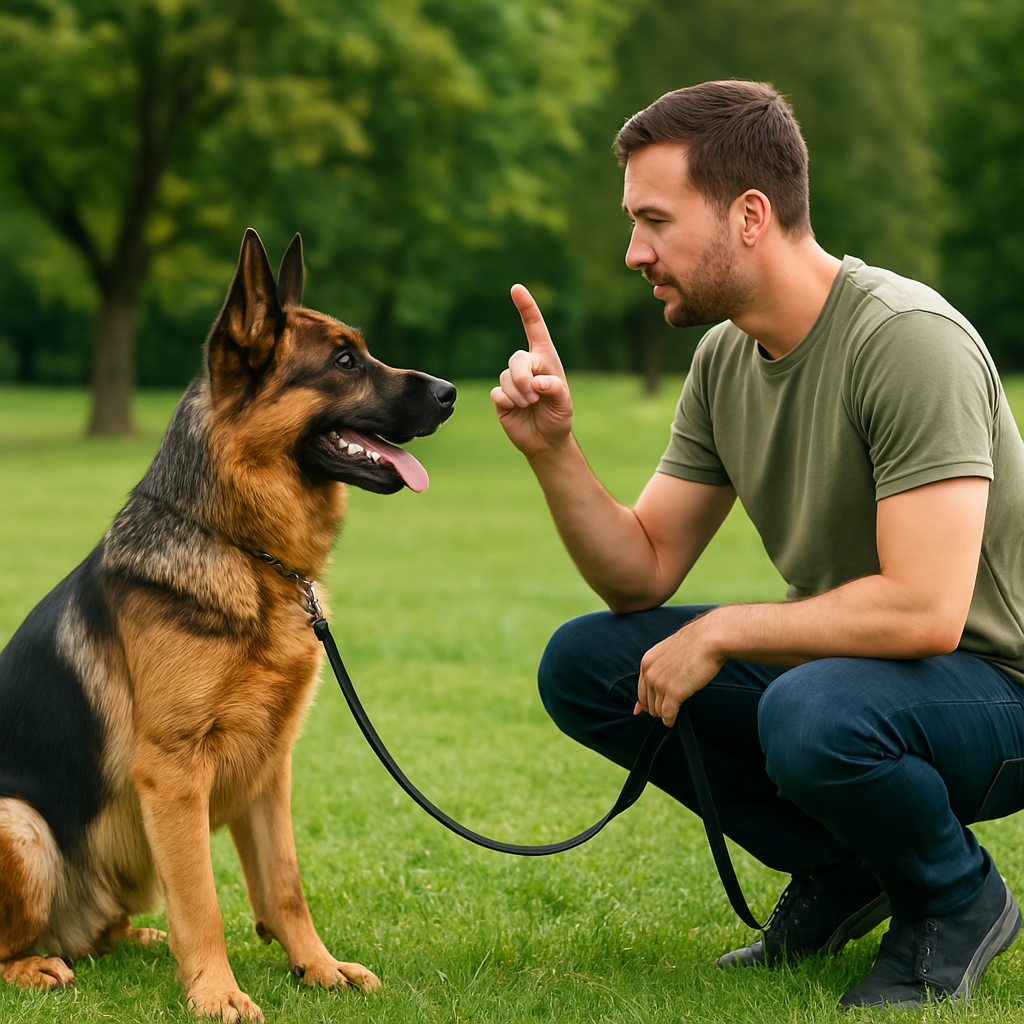
Conclusion: Patience, Love, and Clarity Lead to Success
A shelter dog is not a “problem dog” – it is a dog with a story. With patience, loving consistency, and trust-based training, a cautious animal can become a loyal lifelong companion who will be doubly grateful for every moment you invest.
And do not forget: Every small step forward is a success – celebrate it together with your new friend!


Leave a Reply
Want to join the discussion?Feel free to contribute!